Showing posts with label Arabic Particles. Show all posts

Wednesday, May 13, 2020

Kitab ul Jumal fin Nahw كتاب الجمل في النّحو or المحلى وجوه النّصب and Adwat ul I'rab - AG1 (Arabic Grammar Tool 1)

Click below box to toggle between post's dark, light and white modes.
         

كتاب الجمل في النّحو
Download Al Jumal fin-Nahw

Quick Study Tool :
Index. Note the page number using the below index for the respective topic you want to study.

Enter the page number in below mentioned input box and then click "show page" button or press Enter key to show the required page.

Page:

Topic Study Link : link comes here

Alternate edition with ascription to a different author for the same original source book mentioned above:
المحلى وجوه النّصب
Download Preface , Download Book

Quick Study Tool :
Index. Note the page number using the below index for the respective topic you want to study.

Enter the page number in below mentioned input box and then click "show page" button or press Enter key to show the required page.

Page:

Topic Study Link : link comes here

أدوات الإعراب
Download Adwat ul I'rab

Quick Study Tool :
Index. Note the page number using the below index for the respective topic you want to study.

Enter the page number in below mentioned input box and then click "show page" button or press Enter key to show the required page.

Page:

Topic Study Link : link comes here

Also study the particles from : Arabic Particles Quick Study Tool

Appendix:
الإيضاح في علل النحو
Download (2.3MB)

Friday, January 17, 2020

Min Israri Huroof - AP4 (Arabic Particles Tool 4)

Click below box to toggle between post's dark, light and white modes.
         

Download the PDFs :

من اسرار حروف الجر فى ذكر الحكيم

من اسرار حروف العطف فى ذكر الحكيم


Quick Study Tool :
Combined Index. Note book code : jr or et mentioned at the top of each page of the below index and note down the page number using the below index.

Enter the book code and page number in below mentioned input boxes and then click "show page" button or press Enter key to show the required page.

Book code jr or et: Page:

Topic Study Link : link comes here

Also study the particles from : Arabic Particles Quick Study Tool

Thursday, December 19, 2019

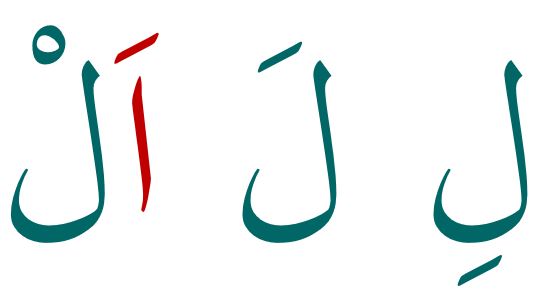
Arabic particles: More on ل Laam with notes on لِ li of command - emphatic لَ la - definite particle اَلْ al & introduction to إِنَّ inna نَّ nna نْ n and قَدْ qad

Learn Arabic Particle ل meaning shades and usage, with notes on لِ li of command, emphatic لَ la, definite اَلْ al, and introduction to إِنَّ inna, and نَّ nna and نْ n (emphatic verb endings) and قَدْ qad.
Arabic particles li la al
inna qad nna

See Arabic Particles Meanings series to learn Arabic particles and related words' meanings.
Also see Arabic Particles Quick Study Tool.

Post 1st published on : 19th December 2019. 
Click below box to toggle between post's dark, light and white modes.
         
Post's relevant content last edited on : 2nd January 2020 . (minor meaning shade keys edition on 2nd January 2020)

All the credit and all the praises and all the thanks for whatever is good and beneficial in this post and all the other posts, tools, and projects are just for ALLAH, and whatever shortcoming or mistake there is in any of these is due to me, an ordinary slave of ALLAH! and I seek ALLAH's forgiveness and pardon for any shortcomings and mistakes in any of these.

[ Core Meaning shades ]
[ | Modified meaning shades due to context | ]
[ { Meaning shade combined with context } ]
[ (possible translation related to core meaning but not direct translation for the word) ]
/ = and or or.
: = previous statement continues to next statement.

i. Notes on لِ li

For notes on particle لِ li as preposition, see the post:
Arabic Particles: Learn Arabic Preposition لِ li
Remaining notes follow:

1 (n,p,m,lm,dt) . The particle لِ li is usually used to:
to point out or specify or assign or direct or request
a person or persons
to or for
some act or deed
that is for him or them to do
or that he or they should or ought to or must or is/are supposed to or required to or demanded to or requested to do.

OR
to point out or specify
for someone to do something
i.e. it specifies both the who (with for) and what (with to). 

[ [ to , for , for ... to ] , [ | (should , must) , (ought) to , (supposed) to , (requested) to , (let) | ] , [ { am to , is to , are to , has to } ]]

The particle لِ li in this sense is usually used with active 3rd person and 1st person imperative verb and passive 1st, 2nd and 3rd person imperative verb. This لِ li is called لَامُ الطَّلَب and also لَامُ الْأَمْر and is not restricted to use with verbs in the sense order only and may be used with verbs in the sense of order, command, recommendation, suggestion, supplication, prayer, request, threat, warning etc. The imperative verbs are مَجْزُوم majzoom. In these verbs, usually occurrence of something is sought. This لِ li usually becomes سَاكِن saakin لْ if directly preceded by وَ wa or فَ fa and sometimes also becomes سَاكِن saakin لْ if preceded by ثُمَّ  thumma. The imperative verbs are commonly used without لِ li for 2nd person active. For 1st person active and for 1st, 2nd and 3rd person passive, imperative verbs are not common. Supplication and prayer sense is for cases where prayer, supplication or request is made to ALLAH. Request is for cases where higher authority is involved. Recommendation and suggestion is mostly given to comparable authority and can also be given to higher or lower authority. Threat  and warning is mostly given to lower or comparable authority.

Why this لِ li is not used with active 2nd person imperative in most cases? Perhaps, since the speaker is directly addressing and assigning the task to the addressee. This arrangement does away with the need to include this لِ li. It is more eloquent to drop this لِ li in the 2nd person active in most cases. Similarly this لِ li is not usually used with قُلْ since قُلْ is itself a 2nd person active imperative in which a command is given to someone to say something i.e. a 2nd person active imperative command and so with قُلْ also, this لِ li is not usually used.

According to some, for 2nd person active, this لِ li is suppressed in writing and speaking but is implied in meaning. I don't agree with this view. In English, if I give order to eat, to someone directly, the imperative eat! is better than saying you should eat / you must eat! etc. When I say to someone directly, eat!, no one will say to me, you meant to say, you should eat, and should is implied in meaning but suppressed in my speaking. Similarly, to say eat! is not better for 3rd person active in most cases, since in such cases, usually should eat is better. In 3rd person dropping the لِ may imply giving direct order to someone not even present.

1st person active لِأَضْرِبْ I am to strike. I ought to strike. I should strike.
2nd person active without لِ e.g اِضْرِبْ You strike
3rd person active لِيَضْرِبْ He is to strike. he ought to strike. he should strike.
1st person passive لِأُضْرَبْ I am to be struck. I ought to be struck. I should be struck.
2nd person passive لِتُضْرَبْ You are to be struck. You ought to be struck. You should be struck.
3rd person passive لِيُضْرَبْ He is to be struck. he ought to be struck. he should be struck.

لِيُنْفِقْ He should spend. He is to spend. For him to spend.
وَلْيُؤْمِنُواْ And they should believe. And they are to believe. And for them to believe.

2 (n) . To understand this لِ li better, let's also compare it to لَا النَّاهِيَة
This لِ li is used for seeking the doing of something, while the لَا النَّاهِيَة is used for seeking the not doing of something. Both are used with فِعْل مُضَارِع مَجْزُوم jussive imperfect verb.

[ [ to , for , for ... to ] , [ | (should , must) , (ought) to , (supposed) to , (requested) to , (let) | ] , [ { am to , is to , are to , has to } ]]

لِأَكْتُبْ For me to write. I should write.
لَآ أَكْتُبْ I shouldn't write.
اُكْتُبْ You write.
لَا تَكْتُبْ You don't write.
لِيَكْتُبْ For him to write. He should write.
لَا يَكْتُبْ He shouldn't write.

ii. Notes on emphatic لَ la, with quick introduction to إِنَّ inna نَّ nna and نْ (emphatic verb endings) and قَدْ qad 

1 (n,*) . The core meaning shade of emphatic لَ la appears to be:
to point out or specify that
what is stated with it
is sure or definite or confirmed
or what has been or will be, surely or definitely or certainly done.
OR
to assert the :
sure / definite / inevitable / confirmed / certain : 
truthfulness / factuality / reality / existence / occurrence :
of the content of what is stated with it 

[ definitely (without doubt) , surely , certainly ]

+ (n,*). To understand emphatic لَ la better, and to avoid mixing up the shades of emphasis, let's also briefly discuss the core meaning shades of related emphatic particles with which emphatic لَ la is often used.
(Note: Separate post or posts will be required inshaALLAH! to discuss these particles in more depth, but for now, at least a quick introduction is necessary)

The emphatic نَّ and نْ endings of imperfect verbs لَيَفْعَلَنْ لَيَفْعَلَنَّ

The core meaning shade of emphatic نَّ and نْ endings of imperfect verbs appears to be:
to emphasize the completion of implementation / execution of the verb.
OR
to show the conviction / determination of the speaker / writer regarding the stated verb that
it will be completed, done, implemented, executed (without any possibility of failure).

Emphatic نَّ indicates stronger : emphasis / conviction / determination / stress : regarding the completion of the action as compared to نْ
Note: Focus is not on continuity or intensity of the action, but rather on the completion/execution of the action without failure (or execution of the action without hesitation).

e.g. in English we say, "I will stop at nothing to do this", "I will do this without failure", "I will complete it without failure"

[ ( make it / have it / will be : ) done / completed / executed / ...en ( : without any possibility of failure ) , taken to : completion (without any possibility of failure) , ensure , ensure to ( make it / have it : ) done / completed / executed / ...en ( : without any possibility of failure ) ]

إِنَّ inna

The core meaning shade of إِنَّ inna appears to be :
to assert the
(firmly) established
existence / presence / occurrence :
of something.

[ indeed , (yes) indeed , verily , (it is) established, (its existence is) established , (in truth) , the existing / established : fact / case / matter : is ]

To understand it better, let's analyse some usage of the verb أَنَّ
Anna أَنَّ verb : he moaned (uttered a prolonged voice of pain) / said ah! by reason of pain. (He complained due to disease or pain)
أَنَّتِ ٱلْقَوْسُ The bow made a gentle and prolonged sound.
In the above 2 cases, the disease/pain or shooting of arrow is corroborated by the accompanying sound.

Anna أَنَّ verb : it exists / is established
مَا أَنَّ ذَالِكَ الْجَبَلَ مَكَانَهُ as long as that mountain is : existing/established : in its place.
مَا أَنَّ فِى السَّمَآءِ نَجْمٌ as long as there exists in the sky a star.

قَدْ qad:

The core meaning shade of قَدْ qad appears to be
to indicate
termination/completion/conclusion : of action
or to indicate
cut off / completed / concluded / done : action

[ [ already , done , already done , ..en , did ] , [ {have/had …en/done} ,  {have/had …already en/done} , { did do } ] ]

Related verb قَدَّهُ qaddahu : he cut it / he cut it off.

Coming back to emphatic لَ la


2 (n,*) . Below are a few simple examples to have a better understanding.

فَعَلَ he did.
قَدْ فَعَلَ he already did / he did do / he has already done.
لَقَدْ فَعَلَ definitely he already did / surely he did do / definitely he has already done.

يَفْعَلُهُ he will do it.
يَفْعَلَنْهُ he will make it done.
يَفْعَلَنَّهُ he will ensure to make it done.
لَيَفْعَلَنَّهُ surely / definitely : he will ensure to make it done.

اَلْمُدَرِّسُ قَاعِدٌ The teacher is sitting.
إِنَّ ٱلْمُدَرِّسَ قَاعِدٌ Indeed, the teacher is sitting.
إِنَّ ٱلْمُدَرِّسَ لَقَاعِدٌ Indeed, the teacher is definitely sitting.

3 (a,h,w,n) . Below are a few examples of usage of لَ la:

3.1. Can come at the beginning of a : sentence / subject / topic / mubtada مُبْتَدَأ
لَأَنْتُمْ أَشَدُّ رَهْبَةً فِى صُدُورِهِم مِّنَ اللّٰهِ Definitely you(pl) are severer in fear (the type with uneasiness / anxiousness & caution) in their chests than ALLAH (Translation attempt for part of Surah 59: Ayah 13 from the Qur'an)

3.2. Can come with the predicate of إِنَّ whether the predicate starts with a noun, a verb or a particle etc.

وإِنَّ اللّٰهَ لَسَمِيعٌ عَلِيمٌ and indeed ALLAH is definitely Ever All Hearing, Ever All Knowing. (Translation attempt for part of Surah 8: Ayah 42 from the Qur'an)

وَإِنَّ رَبَّكَ لَيَحْكُمُ بَيْنَهُمْ and indeed your Maintaining-Lord will definitely Judge (by Establishing/Settling/Fixing matters) between them... (Translation attempt for part of Surah 16: Ayah 124 from the Qur'an)

إِنَّكَ لَعَلَىٰ هُدًى مُّسْتَقِيمٍ Indeed you are definitely upon a guidance keeping upright. (Translation attempt for part of Surah 22: Ayah 67 from the Qur'an)

3.3. Can come with the predicate of إِنْ i.e. the so called إِنِ ٱلْمُخَفَّفَةُ مِنَ ٱلثَّقِيلَةِ the إِنْ lightened from the heavy إِنَّ
Note: The difference between the 2 requires a separate thorough research and a separate post specifically on إِنَّ أَنَّ إِنْ أَنْ and 1 important thing is that noun of إِنْ is not مَنْصُوب mansoob while noun of إِنَّ is مَنْصُوب mansoob. 2ndly this type of إِنْ is not usually used without لَ unless the predicate is negative. Since this research is not yet done or concluded by me, I am not posting any example for this point.

3.4. Can come with the جَوَاب response or corresponding statement of قَسَم oath and لَوْ and لَوْلَا

قَالُواْ تَاللّٰهِ إِنَّكَ لَفِى ضَلَـٰلِكَ ٱلْقَدِيمِ They said: "By ALLAH, indeed you are : definitely / surely : in your old error". (Translation attempt for part of Surah 12: Ayah 95 from the Qur'an)

قَالُواْ لَوْ نَعْلَمُ قِتَالًا لَّٱتَّبَعْنَـٰكُمْ They said: "Had we known mortal-fighting, definitely we would have adopted following you(pl)"(Translation attempt for part of Surah 3: Ayah 167 from the Qur'an)

فَلَوْلَا فَضْلُ اللّٰهِ عَلَيْكُمْ وَرَحْمَتُهُۥ لَكُنْتُم مِّنَ ٱلْخَـٰسِرِينَ Then had it not been ALLAH's Fadl* on you(pl) and HIS Mercy, definitely you(pl) would had been from the losers. (Translation attempt for part of Surah 2: Ayah 64 from the Qur'an)

Fadl* فَضْل translation attempt : A benefit / a gift / a favour / a bonus / a surplus reward:
more or much more than what is due based on the deserving cause, or even without any deserving cause.

Note that لَوْ is usually used for counter-factual conditions and إِنْ is usually used for potential conditions and إِذَا is usually used for temporal conditions.

3.5. Can come with إِنْ i.e لَئِنْ and also with the statement coming after this conditional statement.
وَلَئِنْ سَأَلْتَهُم مَّنْ خَلَقَ ٱلسَّمَـٰوَٰتِ وَٱلْأَرْضَ وَسَخَّرَ ٱلشَّمْسَ وَٱلْقَمَرَ لَيَقُولُنَّ اللّٰهُ and surely if you ask them, who created the heavens and the earth and subdued the sun and the moon, definitely they will (without fail) say ALLAH. (Translation attempt for part of Surah 29: Ayah 61 from the Qur'an)

3.6. Can come with قَدْ i.e لَقَدْ
لَقَدْ كَانَ فِى يُوسُفَ وَإِخْوَتِهِۦٓ ءَايَـٰتٌ لِّلسَّآئِلِينَ Surely already there is in Yusuf and his brothers signs for the askers. (Translation attempt for part of Surah 12: Ayah 7 from the Qur'an)

3.7. Can come with emphatic imperfect verb endings.
لَتُفْسِدُنَّ فِى ٱلْأَرْضِ مَرَّتَيْنِ Definitely you(pl) will (without fail) cause corruption in the earth twice... (Translation attempt for part of Surah 17: Ayah 4 from the Qur'an)

3.8. Can come with the object of يَدْعُو
يَدْعُواْ لَمَنْ ضَرُّهُۥٓ أَقْرَبُ مِن نَّفْعِهِۦ He calls surely the one whom - his harm is nearer than his benefit. He calls surely him whose harm is nearer than his benefit. He calls surely the one whose harm is nearer than his benefit. (Translation attempts for part of the Qur'an from Surah 22, Ayah 13)

3.9. Can come prefixed with مَنْ as seen in above example and مَا
لَمَآ ءَاتَيْتُكُم Surely what I have given you(pl)... (Translation attempt for part of the Qur'an from Surah 3, Ayah 81)

4. (l,s,n) The لَ is also used with عَمْر life / lifespan
in a form of emphasis / swearing : in which لَعَمْرُكَ "surely / definitely : your life" is mentioned before a statement to emphasize or increase the certainty of this statement placed by it.
Surely your life + statement, perhaps to emphasize the certainty of the statement so much that before it, an important life is mentioned, or perhaps, the next statement is literally placed by / next to : "Surely your life". We may attempt to translate it as "Surely by your life ...statement".

[ { surely your life , surely by your life , as sure as your life } ]

لَعَمْرُكَ إِنَّهُمْ لَفِى سَكْرَتِهِمْ يَعْمَهُونَ Surely by your life, indeed they were(pl), surely in their sakrah* wandering blindly. (Translation attempt for part of the Qur'an from Surah 15, Ayah 72).
sakrah سَكْرَة translation attempt : stoppage of proper working or flow of : senses / intellect / reasoning / judgement : due to intoxication / excitement etc. or due to extreme hardship / fear / pain etc.

iii. Notes on اَلْ

1 (l). Apparently اَلْ is originally لْ alone and then conjunctive اَ is prefixed to it so that it may commence with it.

2 (q,a,l,n). The core meaning shade of اَلْ appears to be :
to specify / focus / mark / refer to
a : definite / particular : scope / range
of the word it is prefixed to, depending on the context.

[ the , " " (i.e. in English some of its use cases demand no translated word) ]

3 (q,l,n). It is used to specify someone or something as a specific member of a : type / kind / genus / species : which is known to the speaker or listener or both by being mentioned earlier.
[ the ]
كَمَآ أَرْسَلْنَآ إِلَىٰ فِرْعَوْنَ رَسُولًا فَعَصَىٰ فِرعَوْنُ ٱلرَّسُولَ ... just like WE Sent towards fir'aun a messenger and then fir'aun disobeyed the messenger... (Translation attempt for part of Surah 73, Ayah 15 and Ayah 16 from The Qur'an.)

4 (q,l,n). It is used to specify someone or something as a specific member of a : type / kind / genus / species : which is known by being : present / witnessed / experienced : in context.
[ [ the , " " , the (present) , the (current) ] , [ {this} ,{ today (can be used for the day) } ] ]
وَهَـٰذَا ٱلْبَلَدِ ٱلْأَمِينِ ...and this safe city. ...and this the safe city . (Translation attempts for part of The Qur'an from Surah 95, Ayah 3.)
قَالَ لَا تَثْرِيبَ عَلَيْكُمُ ٱلْيَومَ He said, "there is no tathreeb* on you today...". He said, "there is no tathreeb* on you the (present) day..." (Translation attempts for part of The Qur'an from Surah 12, Ayah 92.)
tathreeb تَثْرِيب translation attempt: Stripping off or removing the cover from a blameworthy /punishable : trait or fault or deed (and showing it to be : foul / abominable / bad etc.)

5 (q,l,n). It is used to specify someone or something as a specific member of a : type / kind / genus / species : which is known to the speaker or listener or both by being present in the knowledge / mind : of speaker or listener or both
[ the ]
إِذْ يُبَايِعُونَكَ تَحْتَ ٱلشَّجَرَةِ When they pledged allegiance to you under the tree. (Translation attempt for part of The Qur'an from Surah 48, Ayah 18.)

6 (n). It is used to specify someone or something as an example of a specific : type / genus / species : instead of being an example of some other type.
[ the ]
وَأَخَافُ أَن يَّأْكُلَهُ ٱلذِّئْبُ And I fear that the wolf will eat him. (Translation attempt for part of Surah 12, Ayah 13 from The Qur'an.)
Note that this is not a specific known wolf rather the animal known as the wolf, instead of other dangerous animals or some other danger.

7 (n,q,l). It is used to specify someone or something as a model example of a : type / genus / species : meeting all the requirements of being from the type, or having all the required qualities of the type.
[ the ]
إِنَّا نَحْنُ نَزَّلْنَا ٱلذِّكْرَ وَإِنَّا لَهُۥ لَحَـٰفِظُونَ Indeed Us - We Transmitted down The Remembrance and indeed We are surely Preservers for it. (Translation attempt for part of Surah 15, Ayah 9 from The Qur'an.)

8 (n). It is used to specify a specific : type / genus / species : as a whole. This is different from saying all members of this type. e.g. to say the species called man is hasty, and to say all men are hasty, is different.
[ the , " " ]
إِنَّ ٱلْإِنْسَـٰنَ لَكَفُورٌ Indeed the human is surely very : ungrateful / denying . (Translation attempt for part of Surah 22, Ayah 66 from The Qur'an.)

9 (p2,n,l). It is used to specify a specific type of : quality / trait / attribute / property / term / thing : etc. with all its necessary features & requirements and all what comes in its scope.
[ the , " " ]
اَلْحَمْدُ لِلّٰهِ The حَمْد thankful-praise is exclusively for ALLAH. (Translation attempt for part of Surah 1, Ayah 2 from The Qur'an) .
To explain this type further, What is called حَمْد is exclusively for ALLAH. What comes in the scope of the term حَمْد is exclusively for ALLAH. A logical deduction from this, may allow us to say All the حَمْد is exclusively for ALLAH, but this is not the translation but rather a further explanation of the statement.

10 (q,l,n). It is used to specify a specific type of thing / essence / quiddity / material / class : instead of being another type.
[ " " , the ]
وَجَعَلْنَا مِنَ ٱلْمَآءِ كُلَّ شَىْءٍ حَىٍّ And WE made from water every living thing. (Translation attempt for part of Surah 21, Ayah 30 from The Qur'an.)

11 (q,l). It is used to specify the doer of some act
[ the ]
اَلْقَاتِل The killer.

12 (q,l). It is used to specify the object of some act
[ the ]
اَلْمَقْتُول The killed.

13 (l). It is used to specify predominance of application i.e frequent usage or mention of a specific member of a : type / kind / genus / species, in some relation or in some role etc.
[ the ]
الْمَدِينَة The city. (i.e. The city of The Prophet (peace be upon him))

14 (l). It is also prefixed to a noun transferred from its original application to that of a proper name; it being so prefixed to convey an allusion to the original specification; and such noun being generally an epithet and, sometimes an infinitive noun, and sometimes a generic noun.
[ the ]
الْحَارِث The plougher. (i.e. the meaning of the name is the plougher which has been assigned to a person as a proper name).

15 (l,h). It is also a permanent inseparable part of some words like الْآنَ the now or right now and اَلَّذِى

To study these particles further in many other books read the related pages in
Arabic Particles Tool . Also to see other posts in Arabic Particles Meanings series.

References: When multiple references mentioned for a point, it means material selected from all quoted references more from some and less from others and all quoted references do not necessarily agree on everything. Material is not exactly copied but based on the reference quoted and I have made additions, editions & changes where required :
w = Wright Arabic Grammar English
h = Howell Arabic Grammar English
l = Lane's Lexicon
n = New indication by me
a = Arabic Almanac and Mawrid Reader books
p = Arabic Particles Tool books
p2 = Ma'ani un Nahw (AP Tool 2) .
m = Sharh of Miatu Amil .
f =  Fischer Arabic Grammar (its PDF can be downloaded from the link).
lm = Al laamaat (its PDF can be downloaded from this link)
q = Qawaid Zaban e Qur'an Urdu .
s = A Study of Qur'anic Oaths .
dt = Available sample pages of David Testen's works on la.
* = multiple books / internet articles consulted in parallel.

Arabic has been typed using the free and detailed Arabic keyboard, latest live version of which is available at:
Online Arabic Keyboard to Type Arabic Directly using English Keyboard with 7 Arabic Web Fonts .
Background for this post: 

Manpower = 1 (Asim Iqbal)
Time taken on this post = 34 hours : 45 minutes. 
Started on = 6th December 2019 .
1st published on = 19th December 2019.
Sponsorship required for this post = 25 hours @ $10 per hour.
Sponsorship received = $ 250.
Sponsor = Sponsor 01.
Voluntarily spent hours without any sponsorship requirement = 9 hours 45 minutes.
Time tracked with a separate tracker for each post using = atimelogger mobile app. (Code for this post AP.L)
Post  = initiated after interest to sponsor was shown by a potential sponsor.
Time = Mainly arranged by ending the time allocated to learn some new worldly / technical skills to become capable to initiate a 2nd part time source of income in the future.

Funding is required to continue Arabic Particles and related words research. Stage 2 posts are also ready for the following:
بَلۡ بَلَىٰ كَ إِنۡ أَنۡ سَ سَوۡفَ أَ هَلۡ إِذۡ إِذَا إِذًا أَنَّىٰ لَـٰكِنۡ لَـٰكِنَّ

Monday, January 30, 2017

Arabic Particles: Learn Arabic Preposition لِ li

Learn Arabic Preposition لِ li meaning shades and usage.
Learn Arabic Preposition Li

See Arabic Particles Meanings series to learn Arabic particles and related words meanings.
Also see Arabic Particles Quick Study Tool.

Last edited on : 30 January 2017
Click below box to toggle between post's dark, light and white modes.
         
All the credit and all the praises and all the thanks for whatever is good and beneficial in this post and all the other posts, tools, and projects are just for ALLAH, and whatever shortcoming or mistake there is in any of these is due to me, an ordinary slave of ALLAH! and I seek ALLAH's forgiveness and pardon for any shortcomings and mistakes in any of these. 

1 (n) . The core meaning shade of Arabic preposition لِ li appears to be
to point out or specify the one to whom something is
owned by, belonging to, possessed by,
due to or for, owed to, right of, permitted for,
peculiar or specific to, 
for utilization or benefit or service of, for the advantage of,
possessed by,
related to,
etc.
or to point out the
reason, cause, purpose, outcome, result etc.
or to point out the thing or being in reference to whom
some act is done or something is said
for , to , of / regarding, by etc.
or we may also say
to specify its genitive mentioned after it with the relation to which what is mentioned before it is related to, e.g. to specify the possessor and relate it to the thing possessed by it, or to specify the owner and relate it to what is owned by it etc.

[ for , exclusively for , to , belongs to , of , by ]
Notes: Usage in the shade of by is usually derived from belonging to, an act or saying belonging to someone can also be referred to as by. Similarly, the of is usually the one used in book of Asim etc. 

2 (h,w,n) . The lam ل when used as preposition or genitive particle is written with kasrah i.e. as لِ li except in following cases where it is written with fathah i.e. as لَ la
i. With attached pronouns it is written لَ la except with with 1st person singular ى which it is written لِ li
لِى لَنَا لَكَ لَكِ لَكُمَا لَكُمْ لَكُنَّ لَهُ لَهَا لَهُمَا لَهُمْ لَهُنَّ
ii. With the person or group called to help using يَا and if there is more than 1 person or group called to help using a single يَا then only the 1st is written لَ la and remaining written لِ li.
يَا لَزَيْدٍ وَلِعَاصِمٍ O for Zaid and for Asim!
iii. With the wondered at using يَا e.g
يَا لَلْعَجَبِ O to / for the wonder!
In this post, the lam ل when used as a preposition, is referred to as the Arabic preposition لِ li, since except the above exceptions it is always written as لِ li.

3 (h,w,n) . The Arabic preposition لِ li is used to indicate
one or multiple of the following meaning shades
ownership,
making owner,
quasi-ownership,
making quasi-owner,
right or permission
deserving,
peculiarity / specific to,
utilization / benefit / service,
relation etc.
Usually books separate the shades like the above, as separate points but usually an overlap exists and more than 1 shade is applicable, so I have mentioned these together as 1 point, and explained some of these points separately also.  

[ for , exclusively for , to , belongs to ]

اَلْحَمْدُ لِلّٰهِ All the thankful praises are exclusively for ALLAH. (Translation attempt for words from The Qur'an 1:2)
وَلِلّٰهِ مَا فِى ٱلسَّمَاوَاتِ وَمَا فِى ٱلْأَرْضِ and belongs to ALLAH what is in the heavens and what is in the earth. And is exclusively for ALLAH what is in the heavens and what is in the earth. (Translation attempt for words from The Qur'an 3:109)
وَهَبْتُ لِزَيْدٍ دِينَارًا I gave to Zaid a Dinar.
فَلَهُ ذٰلِكَ then for / to him is that. (i.e. he has a right or permission to / for that)

4 (w,n) . The Arabic preposition لِ li is used along with its noun or pronoun, to indicate
has, have, had, which literally can be translated as for so and so.

[ for , { has , have, had } (note: this is not the translation of لِ li alone and includes the meaning from the noun or pronoun also) ]

كَانَ لِلْمَلِكِ مِائَتَا عَبْدٍ there were for the king 200 slaves. The king had 200 slaves. 

5 (w,h) . The Arabic preposition لِ li is also used to indicate
the author of a book, poem, saying, work etc.

[ belongs to , of , by ]

هٰذَا ٱلْكِتَابُ لِعَاصِمٍ this book belongs to / of / by Asim.
كَمَا قِيلَ لِعَاصِمٍ like what was said by Asim. 

6 (w) . The Arabic preposition لِ li is also used to indicate
right or permission

[ for , to ]

فَلَهُ ذٰلِكَ then for / to him is that.  (i.e. he has a right or permission to / for that)

7 (w) . The Arabic preposition لِ li is also used to indicate
advantage or benefit etc as opposed to عَلَىٰ indicating harm. 

[ for , to ]

مَا لَهَا وَمَا عَلَيْهَا what is for it and what is upon / against it. 

8 (w) . The Arabic preposition لِ li is also used to indicate
creditor as opposed to عَلَىٰ indicating the debtor. 

[ for , to ]

لِى عَلَيْكَ أَلْفُ دِرْهَمٍ for / to me upon you are a 1000 dirhams. You owe me a 1000 dirhams.

9 (w) . The Arabic preposition لِ li is also used
with the pronominal suffix instead of using the noun or pronoun with the pronominal suffix directly. 

[ to , for , of ]

جَاۤءَ لِى أَخٌ a brother to / for me came or a brother of mine came, instead of جَاۤءَ أَخِى my brother came. The 1st method avoids making the noun definite implying a brother, while in 2nd method the noun is made definite, implying a specific brother in context.

10 (h,a) . The Arabic preposition لِ li is also used with the verb قَالَ and some related verbs to
deliver or communicate what is said to the one to whom something is said.

[ to , for ]

قَالَ لَكَ he said to you. He said for you (i.e. his saying was targeted for your listening).

11 (w) . The Arabic preposition لِ li is also used with the verb قَالَ to indicate
that in reference to or regarding which something is said.

[ of ] (regarding)

قَالَ لَكَ he said of you (i.e. his saying was regarding/about you).
يُقَالُ لَهُ حَنِيفٌ it is said of him Haneef . He is called Haneef. 

12 (w,n) . The Arabic preposition لِ li is also used to indicate
desire or wish or inclination or intent, and usually in such cases it is used with أَنْ and another preposition.

[ for , to , have , {overall translation for the statement with لِ and أَنْ and another preposition} ]

فَقُلْ هَل لَّكَ إِلَىٰۤ أَنْ تَزَكَّىٰ then say, is there for / to you inclination that you attain tazkiyah? (form V) (attain growth step by step towards your true potential by purifying yourself from the impurities and hurdles). Then say, do you have inclination that you attain tazkiyah? (attain growth step by step towards your true potential by purifying yourself from the impurities and hurdles) (Translation attempts for The Qur'an 79:18)
هَل لَّكَ فِى أَنْ تَفْعَلُ هٰذَا do you intend to do this? Is there for / to you in case that you do this? Is there for / to you in doing this?

13 (w) . The Arabic preposition لِ li is also used to indicate
the purpose, reason or cause
to achieve which anything is done or something is.

[ to , for ]

قَامَ لِنُصْرَتِهِ he stood up to aid him. He stood up for aiding him. 

14 (w,n) . The Arabic preposition لِ li is also used to indicate
the purpose, reason or cause
because of which anything is done or something is.

[ due to ] ( because of )

وَلِهٰذَا قِيلَ and due to this it was said.

15 (w,n) . The Arabic preposition لِ li is also used to indicate
the reason or cause
and is used together with مَا and the pronoun or noun to indicate
what is the reason for you, what has happened to you etc.

[ to , for , reason for , happened to ]

مَا لَكَ لَا تَفْعَلُ هَٰذَا what has happened to you, you don't do this. What is the reason for you, you don't do this.

16 (p,n) . The Arabic preposition لِ li is also used
with the imperfect مُضَارِع verb made مَنْصُوب accusative, due to mentioned or (not mentioned) implied أَنْ or mentioned كَيْ to indicate
the purpose, reason or cause
to achieve which the action is done

[ for , to , so (this translation of so is used when it is used with أَنْ or كَيْ and then لِ and one of these can be translated together as so that and sometimes أَنْ is implied but not mentioned ]

Another thing to keep in mind for this point and below mentioned 2 more points, is that, it is possible to translate أَنْ and مُضَارِع verb together in the sense of verbal noun.

وَأُمِرْتُ لِأَنْ أَكُونَ أَوَّلَ الْمُسْلِمِينَ and I was commanded so that I be the 1st of the Muslims. And I was commanded for being the 1st of the Muslims. And I was commanded to be the 1st of the Muslims. (Translation attempts for The Qur'an 39:12) 

17 (p,n) . The Arabic preposition لِ li is also used
with the imperfect مُضَارِع verb made مَنْصُوب accusative, due to mentioned or implied أَنْ to indicate
the effect of the action (not the intent for the action), or
the eventual outcome, end result, ultimate state or condition

[ for , to , so (this translation of so is used when it is used with أَنْ or كَيْ and then لِ and one of these can be translated together as so that and sometimes أَنْ is implied but not mentioned ]

فَٱلْتَقَطَهُ ۥۤ ءَالُ فِرْعَوْنَ لِيَكُونَ لَهُمْ عَدُوًّا وَحَزَنًا then picked him adherents of fir'aun so that he becomes for them an enemy and a grief. Then picked him adherents of fir'aun for becoming for them an enemy and a grief. Then picked him adherents of fir'aun to become for them an enemy and a grief. (Translation attempts for words from The Qur'an 28:8)

18 (p,a,h,n) . The Arabic preposition لِ li is also used
with the imperfect مُضَارِع verb made مَنْصُوب accusative, due to mentioned or implied أَنْ in addition to having مَا كَانَ or لَمْ يَكُنْ at the beginning, to indicate
corroboration of negation

[ for , to , such (this translation of such is used when it is used with أَنْ that and having مَا كَانَ or لَمْ يَكُنْ at the beginning then لِ and one of these can be translated together as such that and sometimes أَنْ is implied but not mentioned ]

وَمَا كَانَ ٱلْمُؤْمِنُونَ لِيَنْفِرُوا كَاۤفَّةً  nor are the believers such that they go out as an all-inclusive whole. Nor is it for the believers that they go out as an all-inclusive whole. Nor are the believers to go out as an all-inclusive whole. (Translation attempts for words from The Qur'an 9:122)

19 (n,a) . The Arabic preposition لِ li is also used with ءَامَنَ also written as اۤمَنَ and related verbs to indicate
believing someone.

[ of , by , his (for لِ and pronoun together ) , to , for , (in English usage and style, believe alone usually conveys this sense) ]

اۤمَنَ لَهُ he believed his (saying/promise etc.) or he believed (saying/promise etc.) of / by him or he believed to / for him or he believed him. (i.e. believed something of his e.g. his saying, his promise etc.)
vs
اۤمَنَ بِهِ he believed in him. (i.e. believed in connection with his being or existence)

20 (n) . The Arabic preposition لِ li is also used
in cases like falling to, going down to or in cases like of or by some part of body, e.g. side of forehead, side etc.
In English, there are 2 ways of saying the following statement: to your knees vs on your knees, and like in English, you won't say when someone mentions to your knees that he actually meant on your knees. Similarly, in English fell on the ground and fell to the ground are not the same and we can't say when someone says fell to the ground, that no, you meant fell on the ground. Similarly in Arabic, we can't say for someone who says لِ that no, he actually meant to say عَلَىٰ here.

[ to , for , by ]

وَتَلَّهُ لِلْجَبِينِ and he laid him down to / by the forehead's side. (Translation attempt for words from The Qur'an 37:103)
يَخِرُّونَ لِلْأَذْقَانِ سُجَّدًا they fall down to the chins in prostration. (Translation attempt for words from The Qur'an 17:107)
وَإِذَا مَسَّ ٱلْإِِنْسَانَ ٱلْضُّرُّ دَعَانَا لِجَنۢبِهِ أَوْ قَاعِدًا أَوْ قَائِمًا and when touches the human the harm, he calls Us to / by his side or sitting or standing (Translation attempt for words from The Qur'an 10:12)

21 (n,w,f) . The Arabic preposition لِ li is also used to indicate
time or time period or range/duration of time.

[ for , to , by ] (when , at (i.e in specifying or pointing to time or duration, at or when may also be used))

لِأَجَلٍ مُّسَمًّى for a specified duration. (Focus on the duration from the start till the end).
vs
إِلَىٰ أَجَلٍ مُّسَمًّى till a specified duration. (Focus on the ending of the duration)
Both these may be referring to the same duration, but the way of saying it highlights 2 different angles of looking at this duration.

أَقِمِ ٱلصَّلَاةَ لِدُلُوكِ ٱلشَّمْسِ إِلَىٰ غَسَقِ ٱللَّيْلِ وَقُرْآنَ ٱلْفَجْرِ ۖ إِنَّ قُرْآنَ ٱلْفَجْرِ كَانَ مَشْهُودًا
establish the Salaat for / by / at the declining of the sun till the darkening of the night and the recitation of the dawn, indeed the recitation of the dawn is witnessed. (Translation attempt for The Qur'an 17:78) (The لِ appears to be pointing out the duration indicated in "the declining of the sun till the darkening of the night" i.e. during this time 4 obligatory Salaat are established. The Salaat of Dawn is referred to separately as recitation of the dawn i.e. recitation of The Qur'an in The Fajr Salaat.)

لِلَيْلَةٍ مَضَتْ مِنَ ٱلشَّهْرِ when a night passed from the month.

لِوَقْتِهِ at its time.

22 (w) . The Arabic preposition لِ li is also used
with the person or group called to help using يَا and if there is more than 1 person or group called to help using a single يَا then only the 1st is written لَ la and remaining written لِ li. Similarly لِ li is also used with the person or group against whom the help is called for.

[ to , for ]

يَا لَزَيْدٍ وَلِعَاصِمٍ O for Zaid and for Asim! (i.e. call for help Zaid and Asim)
يَا لَزَيْدٍ لِعَاصِمٍ O for Zaid to Asim! (i.e. call for help, Zaid to defend against Asim)

23 (w) . The Arabic preposition لِ li is also used
for calling someone using يَا to something, with both of which ل is used, in a similar way as in above point.

[ for , to ]

يَا لَلرِّجَالِ لِلْمَاۤءِ O for the men to the water! (i.e. call for the men, to access the water)

24 (w) . The Arabic preposition لِ li is also used
with the wondered at or surprised at using يَا e.g.

[ to , for ]

يَا لَلْعَجَبِ O to / for the wonder!

In cases like above 3, the لِ seems to point out the person or thing, in reference to which the exclamation is said, as being the origin or cause of it. 

25 (n) . Lets recap some uses of لِ again using a simple example 
لَهُ exclusively for him / for him / to him / belonging to him / his / of him / by him . 

26 . To study this particle further in many other books read the pages for this particle in
Arabic Particles Tool . Also to see other posts in Arabic Particles Meanings series.

References: When multiple references mentioned for a point, it means material selected from all quoted references more from some and less from others and all quoted references do not necessarily agree on everything. Material is not exactly copied but based on the reference quoted and I have made additions, editions & changes where required :
w = Wright Arabic Grammar English
h = Howell Arabic Grammar English
l = Lane's Lexicon
n = New indication by me
a = Arabic Almanac and Mawrid Reader books
p = Arabic Particles Tool books
m = Sharh of Miatu Amil .
f =  Fischer Arabic Grammar (its PDF can be downloaded from the link).

Arabic has been typed using the free and detailed Arabic keyboard, latest live version of which is available at:
Online Arabic Keyboard to Type Arabic Directly using English Keyboard with 7 Arabic Web Fonts .



Funding is required to continue Arabic Particles and related words research. Stage 2 posts are also ready for the following:
بَلۡ بَلَىٰ كَ إِنۡ أَنۡ سَ سَوۡفَ أَ هَلۡ إِذۡ إِذَا إِذًا أَنَّىٰ لَـٰكِنۡ لَـٰكِنَّ

Saturday, December 24, 2016

Arabic Particles: Learn Arabic Preposition بِ bi

Learn Arabic Preposition بِ bi meaning shades and usage.
Learn Arabic Preposition bi
See Arabic Particles Meanings series to learn Arabic particles and related words meanings.
Also see Arabic Particles Quick Study Tool.

Last edited on : 4 January 2017
Click below box to toggle between post's dark, light and white modes.
         

1 (n,k) . The core meaning shade of Arabic preposition بِ bi appears to be
connection.
which is, on a deeper analysis, visible or traceable in almost all its meaning shades. 

2 (n,l,h,m) . The Arabic preposition بِ bi is used to indicate
connection, adhesion, adjunction, association.

The usage of بِ bi can either be
real / proper / physical / perceptible by sense (e.g. physically connected with something)
tropical / ideal / conceptual / perceptible by intellect (e.g. conceptually connected like he did this in connection with that plan )

The usage of بِ bi can either be
Absolute e.g. he came with him.
Relative e.g. he passed by him (i.e. without physical contact but just relative to him, which we can also say in connection with or with reference to).

[ with , in , by, connected with , adhered to , in connection with , with reference to ]

بِهِ دَاۤءٍ with / in / connected with / adhering to him is a disease.
مَرَّ بِهِمْ he passed by / in connection with / with reference to them.
جَلَسَ بِهِ he sat with / by him.

3 (l,h,f) . The Arabic preposition بِ bi is also used to indicate
instrument or tool, using a thing as an aid or instrument. 

[ with , by means of ]

كَتَبَ بِٱلْقَلَمِ he wrote with the pen.
ضَرَبْتُ بِٱلسَّيْفِ I struck with the sword.

4 (l,h) . The Arabic preposition بِ bi is also used to indicate
accompaniment / concomitance.

[ with ]

اَلْفَرَسُ بِلِجَامِهِ وَ سَرْجِهِ the horse with its bridle and its saddle.

5 (p) . The Arabic preposition بِ bi is also used to indicate
accompanying state or accompanying environment.

[ with , with a state of , in a state of ]

هَبَطَ بِسَلَامٍ he descended with / with a state of / in a state of safety.

6 (l,h)(n) . The Arabic preposition بِ bi is also used to indicate
connection with a place, time or event ( place + time + happenings )

[ with , in , in connection with ]

وَلَقَدْ نَصَرَكُمُ اللّٰهُ بِبَدْرٍ and assuredly ALLAH already Helped you(pl) with Badr. (Translation attempt for words from The Qur'an 3:123)
This help was in connection with the event of Badr.
An event includes the place, the time, and other things that happen during it.
Note: In English also, it is said, he helped you with your project, he helped you with your assignment, he helped you with your homework.

جَلَسَ بِٱلْمَسْجِدِ he sat in the masjid. He sat connected with (a location inside) the masjid.
جَلَسَ فِى ٱلْمَسْجِدِ he sat in the masjid. He sat within the masjid (inside the boundary of the masjid).
In both these cases, he is in the masjid, but there is a subtle difference in terms of the angle with which we are looking at this situation or the angle we want to highlight while describing the fact that he is in the masjid.

7 (l,h,p,n) . The Arabic preposition بِ bi is also used to indicate
reason, in connection with which something is done. (Reason, because of which something is done) 

[ by , with ,  in connection with , because of ]

إِِنَّكُمْ ظَلَمْتُمْ أَنفُسَكُمْ بِٱتِّخَاذِكُمُ ٱلْعِجْلَ certainly you(pl) have wronged your(pl) selves by / with / in connection with / because of your(pl) adopting the calf. (Translation attempt for words from The Qur'an 2:54) 

8 (l,h,n) . The Arabic preposition بِ bi is also used to indicate
the giving or doing of something as a substitute / replacement / payment
with which something else is obtained. 
The giving of or doing of something in return for getting something else. 

[ with ] ( in exchange for , in replacement for )

هٰذَا بِذٰلِكَ this in replacement for that.
اِشْتَرَيْتُهُ بِأَلْفِ دِرْهَمٍ I acquired it with a 1000 dirhams.

9 (l,h,a,n) . The Arabic preposition بِ bi is also used to
render a verb transitive and is also used with some verbs to make idioms.

[ with , (modification of verb meaning e.g. come becomes bring, go away becomes take away) ]

ذَهَبَ he went away. (Form I)

أَذْهَبَهُ he caused him to go away. (Form IV. Impact of this case is that he caused his going away or initiated it.)

ذَهَبَ بِهِ he went away with him. (Form I with separable role of بِ and verb. Impact of this case is that he performed the act of going away with him or with his accompaniment.)

ذَهَبَ بِهِ he took him away. (Form I with combined role of بِ and verb. Impact of this case can be that he had an active role in taking him away but he did not himself go away with him, or it can be that he took him away holding him.)

ذَهَبَ بِهِ he did away with him (i.e. finished him). (Form I and بِ in the sense of idiom)
(Note: Do away with is also used as an idiom in English in the same sense)

10 (n) . The Arabic preposition بِ bi is also used to indicate
in connection with or with reference to something.

[ in connection with , with reference to ]

سَأَلَ بِهِ he asked in connection with / with reference to it.
vs
سَأَلَ عَنْهُ he asked of / regarding / about it.

11 (a,n) . The Arabic preposition بِ bi is also used to indicate
the target or recipient.

[ with ]

أَحْسَنَ بِكَ he was well with you.
vs
أَحْسَنَ إِلَيْكَ he was well towards you.

12 (h,l,s,n,m) . The بِ bi is also used as
the original particle of swearing 
The بِ bi is attached before (i.e. prefixed) to what / who is sworn by or promised by or to what / who is taken as witness / sign / evidence.  With بِ or by means of بِ we attach the swearing to the sworn by or we simply attach the بِ to the sworn by. In English also the word by plays a similar role.

Since بِ is the original particle of swearing, it has some unique features among particles of swearing :
i. The بِ bi can be prefixed to the pronoun also.
ii. The verbs of swearing e.g حَلَفَ or أَقْسَمَ etc. can be mentioned with بِ bi, instead of suppressing them.
iii. The بِ bi can be used for (conciliatary and propitiatory) adjuring or conjuring (of the one addressed) for inducing him to incline to that which is desired of him e.g. (I adjure you) by...

[ by ]

بِاللّٰهِ لَاَفْعَلَنَّ كَذَاۤ إِنْ شَاۤءَ اللّٰهُ by ALLAH, I will certainly do like this, inshaALLAH!

13 (w) . The Arabic preposition بِ bi is also used with
غَيْر and لَا to indicate without
بِغَيْرِ with other than , without
بِلَا with no, without

14 (n) . The Arabic preposition بِ bi is also used to indicate
connection between 2 statements or between a word and a statement or connection between 2 words.
Many examples from this category are usually called corroborative or redundant بِ but a closer and deeper examination indicates that the overall meaning shade with and without it is different.

Related concepts to this point are :
i. A word on a verb form I active participle pattern or verb form I passive participle pattern is also sometimes used as a verbal noun.
ii. A word or statement coming after بِ bi can also be denoting a state.
iii. When a statement is connected with some one, it can imply is always etc. When a statement is connected in a negative sense, it can imply is never or is not at all, is in no way etc.
Someone + bi + Statement. This someone is connected with this statement. We can say the statement always holds true for him.
Negative + Someone + bi + Statement. This someone has no connection with this statement. We can say the statement never holds true for him or is in no way and not at all connected with him.

[ with , connected with , in connection with , with a state of , in a state of , (overall impact in translation of the set of words or statements connected via it) ]

كَسَرَ بِقَلْبِكَ he performed the act of breaking with your heart. Without بِ it will be, he broke your heart.

وَكَفَىٰ بِاللّٰهِ عَلِيمًا and suffices with ALLAH as Ever-Knower. (Translation attempt for selected words from The Qur'an 4:70) . Without بِ it may be translated as, and ALLAH suffices as Ever-Knower.

وَمَا رَبُّكَ بِغَافِلٍ عَمَّا يَعْمَلُونَ and your Maintaining-Lord is never unaware regarding what you(pl) are performing. And your Maintaining-Lord has no connection with being unaware regarding what you(pl) are performing. And your Maintaining-Lord is in no way / not at all unaware regarding what you(pl) are performing. (Translation attempts for selected words from The Qur'an 6:132) . Without بِ it may be translated as, and your Maintaining-Lord is not unaware regarding what you are performing.

بِأَييِّكُمُ الْمَفْتُونُ with which of you(pl) is the affliction OR with / in which of you(pl) is the state of being afflicted OR with which of you(pl) is the afflicted. (Various possible translation attempts for selected words from The Qur'an 68:6) Without بِ it may be translated as, Which of you(pl) is the afflicted.

خَرَجْتُ فَإِذَا بِٱلْأَسَدِ I went forth and all of a sudden was with the lion.

15 . To study this particle further in many other books read the pages for this particle in
Arabic Particles Tool . Also to see other posts in Arabic Particles Meanings series.

References: When multiple references mentioned for a point, it means material selected from all quoted references more from some and less from others and all quoted references do not necessarily agree on everything. Material is not exactly copied but based on the reference quoted and I have made additions, editions & changes where required :
w = Wright Arabic Grammar English
h = Howell Arabic Grammar English
l = Lane's Lexicon
n = New indication by me
a = Arabic Almanac books
p = Arabic Particles Tool books
m = Sharh of Miatu Amil .
f =  Fischer Arabic Grammar (its PDF can be downloaded from the link).
k = At Tahqeeq fi Kalimat il Qur'an il Kareem (its PDF can be downloaded from the link)
s = A Study of Qur'anic Oaths .

Arabic has been typed using the free and detailed Arabic keyboard, latest live version of which is available at:
Online Arabic Keyboard to Type Arabic Directly using English Keyboard with 7 Arabic Web Fonts .


Funding is required to continue Arabic Particles and related words research. Stage 2 posts are also ready for the following:
بَلۡ بَلَىٰ كَ إِنۡ أَنۡ سَ سَوۡفَ أَ هَلۡ إِذۡ إِذَا إِذًا أَنَّىٰ لَـٰكِنۡ لَـٰكِنَّ

Saturday, December 03, 2016

Arabic Particles: Learn Arabic Preposition عَلَىٰ ala

Learn Arabic Preposition عَلَىٰ ala meaning shades and usage.
Learn Arabic Preposition ala
See Arabic Particles Meanings series to learn Arabic particles and related words meanings.
Also see Arabic Particles Quick Study Tool.

Last edited on : 3 December 2016
Click below box to toggle between post's dark, light and white modes.
         

1 (w,h)(n) . The Arabic preposition عَلَىٰ ala is used
i. In its original local sense to indicate higher elevation or superiority of position :
a. On top of , above or over its genitive (most common) .
b. On an elevation above its genitive.
ii. To indicate outer elevation over its genitive. This elevation can be over any of the sides also, not only the top. A paint on the wall is not literally on the top of the wall but on the side face of the wall. A guard on the door is not literally sitting on top of the door but over / upon /on / at its front or entrance i.e. at an elevation not with reference to the top of the door but an elevation with reference to the front or entrance of the door. The clothes on you are not literally on top of your head, but on you with respect to being on or over your body covering over the body from. Side elevation is used in English also, e.g. in architect drawings, the views from the front and sides are called elevations. This outer elevation is indicated in books like (h,l) differently as a case of superiority of position over something near the genitive.
iii. Another related meaning is in front of which is mentioned in some books as under. This is a case of elevation from the front of its genitive.

The usage of عَلَىٰ ala can either be: 
real / proper / physical / perceptible by sense (e.g. physically on the table)
tropical / ideal / conceptual / perceptible by intellect (e.g. debt due upon someone , ruler over masses)

Genitive of عَلَىٰ ala is the word governed by it in the genitive case. 

[ on , upon , over , at , in front of ]

هُوَ عَلَى ٱلسَّطْحِ he is on / upon the flat roof.
جَلَسَ عَلَى ٱلْمَاۤءِدَةِ he sat at the table. (This can be because a person sitting at a table rises above the level of it. Also this can be because of sitting over any of its sides at an elevation with reference to its side and not with reference to its top)
عَلَيْكَ ثِيَابَ قُطُنٍ on / upon / over you are clothes of cotton. (Again this is not literally on top like cotton clothes are not above your head literally but on or upon or over your body)
قَعَدَ عَلَىٰ بَابِ دَارِهِ he sat at the door of his house.
اَلْقَرْيَةُ عَلَى ٱثْنَىْ عَشَرَ مِيلًا مِنَ ٱلْفُسْطَاطِ The town is at 12 miles from al-Fustaat. (i.e. at a side elevation or distance of 12 miles from one of its sides)
قَرَأَ عَلَىٰۤ أَبِيهِ he recited it in front of his father. 
عَلَيْهِ دَيْنٌ upon / on him is a dept.
سَلَامٌ عَلَيْكُمْ peace/safety on / upon you (all).
جَعَلَهُ أَمِيرًا عَلَى ٱلْعِرَاقِ he made him ruler over Iraq.

2 (w,n) . The Arabic preposition عَلَىٰ ala is also used to indicate
duty / responsibility / obligation / doable / dept / loan which is
due / deliverable / incumbent 
on / upon someone i.e. on the genitive of عَلَىٰ ala
Hence it is used after verbs signifying to prescribe, to decree, to make incumbent or unavoidable etc. 

[ on , upon ] ( due upon , incumbent upon )

عَلَيْهِ دَيْنٌ on / upon him is a dept OR (due) upon / on him is a dept OR (translating non-literally) he owes a dept.
عَلَيْكَ أَنْ تَفْعَلَ هَٰذَا on / upon you is that you do this OR (incumbent) on / upon you is that you do this.
(Note: In English also on is used in a similar sense, e.g., this is on you means this is your responsibility)

3 (w) . The Arabic preposition عَلَىٰ ala is also used to indicate
the advantage, superiority, or distinction, which one person or thing has over another

[ over , above ]

اِخْتَارَهُ عَلَىٰ ذَٰلِكَ he preferred it over that.

4 (w) . The Arabic preposition عَلَىٰ ala is also sometimes used
in a hostile sense, in case of which it is usually translated as upon or against. 

[ upon , against , up against , on , at ]

خَرَجَ عَلَيْهِ he went out upon / against him.
عَتَبَ عَلَيهِ he was angry on / upon / at him.
أَغْرَى ٱلْكَلْبَ عَلَيْهِ he incited the dog upon / against / at him.

5 (w) . The Arabic preposition عَلَىٰ ala is also used to indicate
the ground or basis in terms of condition/state on which a person stands with respect to religion, trade, profession, health, fortune, mental/bodily gifts etc.

[ upon , on , based upon , (standing) upon / on ]

لَيْسَ عَلَى ٱلشَّيْءِ he is not upon / on / based upon anything. He is not (standing) upon anything i.e. he has nothing to stand on.

6 (w) . The Arabic preposition عَلَىٰ ala is also used to indicate
the ground or basis in the sense of terms / condition on which something is done.

[ on , on condition ]

عَلَىٰ هَٰذَا ٱلْشَّرْطِ on this condition.
ذَٰلِكَ عَلَىٰ أَن يَّفْعَلَ that is on condition that he does 

7 (w) . The Arabic preposition عَلَىٰ ala is also used to indicate
the ground or basis in terms of the cause / reason on which one does a thing.

[ on , on account of ]

لَاۤ أَسْأَلُكُمْ عَلَيْهِ أَجْرًا I do not ask you on / on account of it a fee...  ( Translation attempt for selected words from The Qur'an 6:90 ) 

8 (w) . The Arabic preposition عَلَىٰ ala is also used to indicate
the ground or basis in terms of the means via which something is done.

[ by means of , via ]

وَعَدَكَ عَلَيْهِ he promised you by means of him. 

9 (w,n,l) . The Arabic preposition عَلَىٰ ala is also used to indicate
the rule or standard upon or based on or according to which something is done. It indicates
conformity, accordance, adaptation or agreement.

[ on , upon , based on ] ( according to )

عَلَىٰ هَٰذِهِ ٱلطَّرِيقَةِ on / upon this manner of conduct
عَلَىٰ مَا رَأَيْتُ فِى ٱلْكُتُبِ based on what I have seen in the books.

10 (w) . The Arabic preposition عَلَىٰ ala is also used to indicate
the subject on / of / concerning which we speak as if our conversation was based on it. 

[ on , of , concerning ]

قَالَ عَلَىٰ ذَٰلِكَ he spoke on that.

11 (n) . The Arabic preposition عَلَىٰ ala is also used to indicate
the being on / of / concerning whom we speak as if our conversation was based on him or our conversation was based on something under his authority or something coming from him.

[ on , of , concerning ,  concerning that which is under the authority of , concerning that which proceeds from ]

أَمْ تَقُولُونَ عَلَى اللّٰهِ مَا لَا تَعْلَمُونَ ...or do you say concerning / concerning that which is under the authority of ALLAH what you don't know. ( Translation attempt for selected words from The Qur'an 2:80 ) 

12 (w) . The Arabic preposition عَلَىٰ ala is also used to indicate
something happening in spite of / despite / notwithstanding another thing that might have prevented it.

[ in spite of , despite , notwithstanding ]

قَتَلَ أَسَدًا عَلَىٰ صِغَرِ سِنِّهِ he killed a lion notwithstanding / in spite of / despite smallness of its age. 

13 (f) . The Arabic preposition عَلَىٰ ala is also used to indicate
onto

[ onto ]

سَقَطَ عَلَى ٱلْأَرْضِ he fell onto the ground. 

14 (l) . The original letters in عَلَىٰ are ع ل و .

15 . To study this particle further in many other books read the pages for this particle in
Arabic Particles Tool . Also to see other posts in Arabic Particles Meanings series.

References: When multiple references mentioned for a point, it means material selected from all quoted references more from some and less from others and all quoted references do not necessarily agree on everything. Material is not exactly copied but based on the reference quoted and I have made additions, editions & changes where required :
w = Wright Arabic Grammar English
h = Howell Arabic Grammar English
l = Lane's Lexicon
n = New indication by me
a = Arabic Almanac books
p = Arabic Particles Tool books
m = Sharh of Miatu Amil .
f =  Fischer Arabic Grammar (this link is not a separate post on it , but its PDF can be downloaded from the page).

Arabic has been typed using the free and detailed Arabic keyboard, latest live version of which is available at:
Online Arabic Keyboard to Type Arabic Directly using English Keyboard with 7 Arabic Web Fonts .


Funding is required to continue Arabic Particles and related words research. Stage 2 posts are also ready for the following:
بَلۡ بَلَىٰ كَ إِنۡ أَنۡ سَ سَوۡفَ أَ هَلۡ إِذۡ إِذَا إِذًا أَنَّىٰ لَـٰكِنۡ لَـٰكِنَّ